
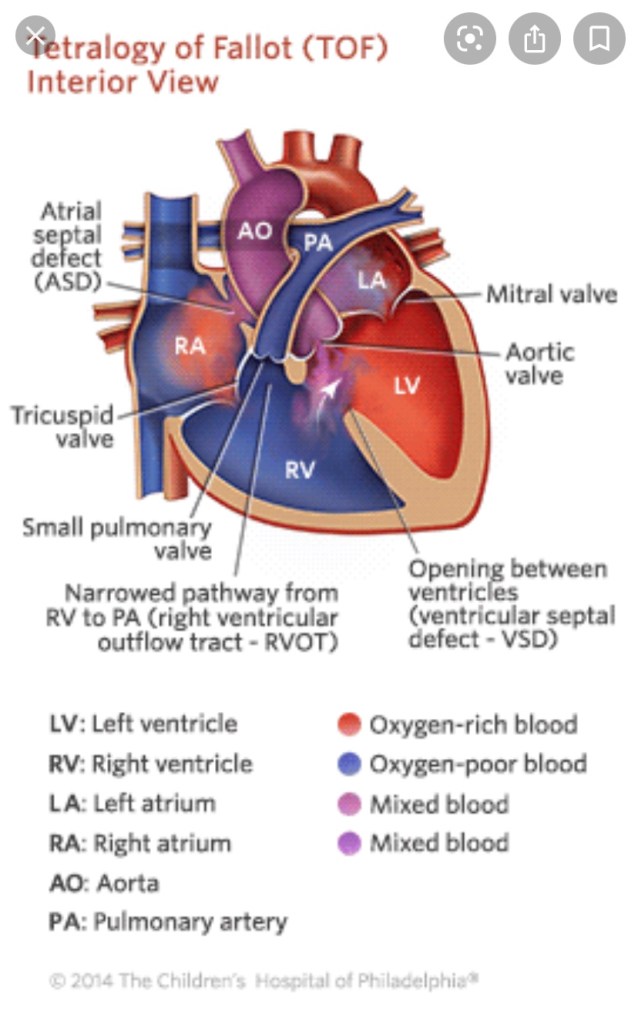
The four features of Tetralogy of Fallot are:
– membranous VSD
– large aorta positioned “across” the VSD aka overriding
– RV hypertrophy – secondary to outflow obstruction
– RV outflow obstruction
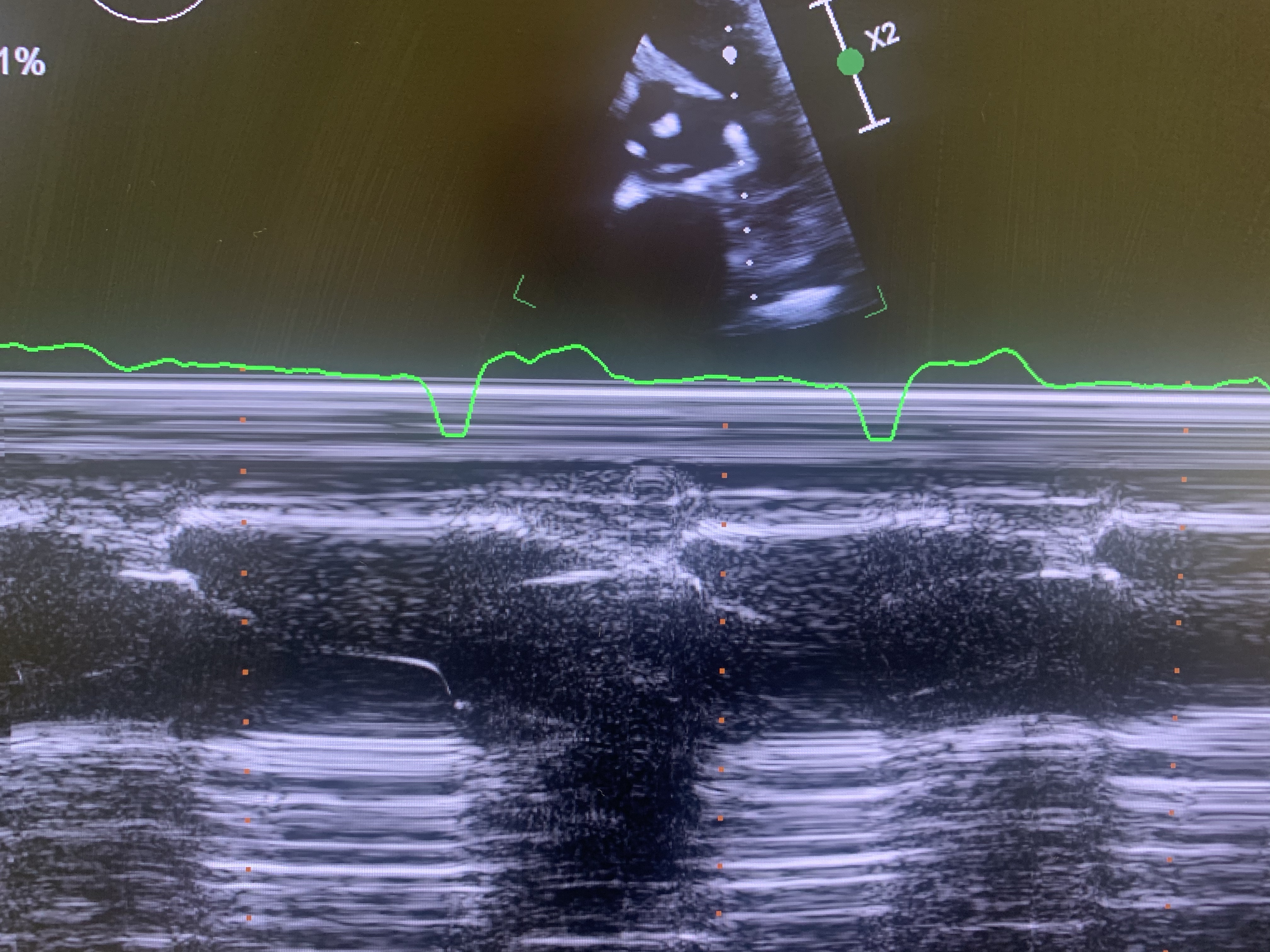
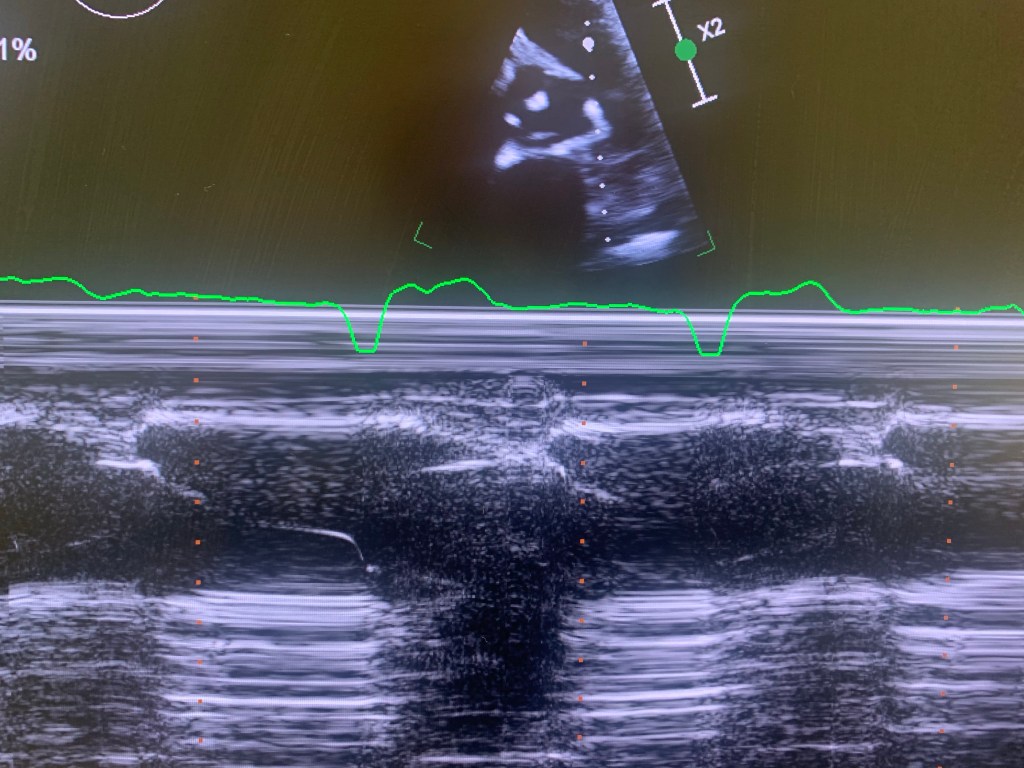
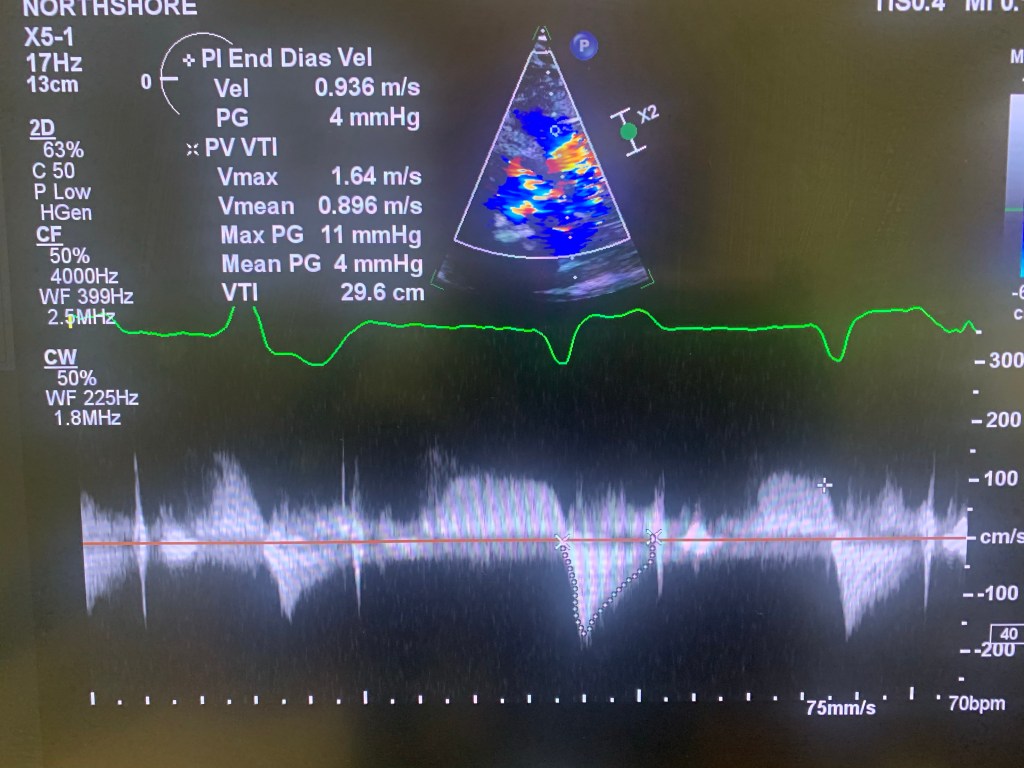
Adults with this condition don’t need surgical intervention (most of the time). However, adults with a repaired TOF, the VSD patch is evident on echo, aortic root is enlarged and there’s so evidence of residual RV outflow obstruction. The major issue is late pulmonic regurgitation.
During echo, make sure to get a good view of the aorta and the aortic root. Measure in parasternal long axis view. If possible, obtain a few extra images. Use pulsed or CW Doppler signal to look for diastolic reversal of flow equal in signal strength to antegrade flow (pulmonic regurgitation). Obtain a good RV images (RV focused view) and make sure to see the endocardium well. If the patient had a VSD repair, obtain extra images in A4 and Sub4 at the level of ventricular septum. Use PW and CW in Sub4 to make sure there’s no leakage after the repair.
Info credit: Catherine Otto, Textbook of Clinical Echocardiography

 Echo Lab and Boards Review